
FHA Appraisal Requirements in Utah: What Buyers Should Know

If you are buying a home with an FHA loan in Utah, the home has to meet certain FHA property requirements before the lender will fully approve the loan. That does not mean the house has to be perfect, updated, or remodeled. It means the home needs to be considered safe, sound, and secure enough for FHA financing.
This is where many Northern Utah buyers get confused. An FHA appraisal is not the same thing as a regular home inspection. The appraiser is providing the lender with an opinion of value. But with an FHA loan, they also look for obvious property issues that could affect safety, livability, or the home's overall condition.
So, if an FHA appraiser flags something, the lender may not allow the purchase to close until that item is repaired, reinspected, and cleared.
Appraisal vs. Home Inspection: What’s the Difference?
A home inspection is for you, the buyer.
An appraisal is for the lender.
That is the easiest way to understand it.
Your home inspector is hired to look more closely at the condition of the home. They may check the roof, plumbing, electrical, HVAC, appliances, attic, foundation, drainage, and all the little things that can help you understand what you are buying.
The appraiser is not there to inspect every detail of the house. They are there to confirm value and make sure the property meets the minimum code requirements or is "up to code".
That means you should never skip your own home inspection just because you're financing your home, and are therefore needing an appraisal. They are two different things, and they protect you in two very different ways.

When Do You Need an FHA Appraisal?
You need an FHA appraisal when you are using an FHA loan to buy a home.
This appraisal is required because the loan is backed by the Federal Housing Administration. Since FHA is insuring the loan, the property has to meet certain standards before the lender can move forward with financing.
In a regular conventional loan, the appraisal is mostly focused on value. The lender wants to know that the home is worth what the buyer is paying for it.
With an FHA loan, value still matters, but the property condition matters too.
The FHA appraiser is looking for obvious concerns that could affect the health, safety, security, or basic livability of the home. They aren't trying to make the home perfect. They aren't judging whether the kitchen is cute or whether the carpet is outdated. They are looking for issues that could make the home unsafe, difficult to live in, or risky for the loan.
This is why FHA appraisals can feel more strict than conventional appraisals.
For example, a conventional appraiser may note that a home needs some repairs but still allow the loan to move forward. An FHA appraiser may require certain repairs to be completed before closing if they impact safety, soundness, or security.
That is the part that buyers and sellers need to understand upfront.
If you are buying a home in Northern Utah with an FHA loan, the appraisal is not optional. It is part of the lending process, and the lender will use it to decide whether the property qualifies for FHA financing.
What Does an FHA Appraiser Look For?
An FHA appraiser is mainly looking for issues that affect:
Safety
Could someone get hurt?
This could include exposed wiring, unsafe stairs, broken railings, damaged decks, or other hazards that could put someone at risk.
Security
Can the home be locked, accessed, and lived in safely?
This includes things like exterior doors, windows, utilities, and basic systems that allow the home to function as a secure place to live.
Soundness
Are there obvious concerns with the structure, roof, foundation, or major systems?
This is where bigger concerns come in, like major roof deterioration, foundation movement, sagging floors, or water intrusion.
This is why cosmetic issues usually are not the problem. Old carpet, dated cabinets, ugly light fixtures, worn countertops, or paint colors you hate are not usually what hold up an FHA loan.
The problems usually come from things that create a health, safety, or structural concern.
Common FHA Repairs That Can Get Flagged in Utah
Here are the items I would be watching for as a buyer in Davis County, Weber County, Salt Lake County, and throughout Northern Utah.
Peeling or Chipping Paint
This is one of the most common FHA appraisal issues, especially on older homes.
If the home has peeling, chipping, or flaking paint, it can become a concern because of potential lead-based paint risk.
This can show up on siding, trim, garages, sheds, fences, decks, porch railings, or interior walls.
If the home is built before 1978, the seller will need to complete a lead-based paint disclosure - so you'll know whether or not there's lead paint. Either way, if there is visible peeling paint, they will most likely flag it to be repaired.
In older Utah neighborhoods, especially in places like Ogden, Bountiful, Clearfield, Layton, Salt Lake City, and parts of Weber County, this is something buyers and sellers should pay attention to before the appraisal.
It may seem small, but peeling paint can absolutely delay funding if the appraiser calls it out.
Missing or Unsafe Handrails
FHA appraisers can flag stairs, decks, porches, or basement entrances that look unsafe.
This can include missing handrails, loose railings, broken steps, or drop-offs that create a fall risk.
This is one of those repairs that may seem simple, but it can still hold up funding if it is not handled quickly.
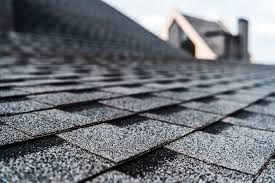
Roof Problems
The roof does not need to be brand new, but it does need to protect the home from moisture and appear to have reasonable remaining life.
An FHA appraiser may flag:
Missing shingles
Visible leaks
Major roof deterioration
Water stains that suggest an active roof issue
Sagging or obvious roof damage
This matters a lot in Utah because snow, ice, wind, and sun exposure can be hard on roofs. A roof that might look “fine enough” to a casual buyer may still become a lender issue if the appraiser believes it affects the home’s condition.
For FHA buyers, roof condition is something worth paying attention to before you write the offer.
Exposed Wiring or Electrical Hazards
The appraiser is not doing a full electrical inspection, but obvious electrical hazards can be a problem.
Examples include:
Exposed wires
Open junction boxes
Missing outlet covers
Loose electrical panels
Unsafe or visibly incomplete electrical work
If something looks dangerous, FHA may require it to be corrected before the loan can close.
This can come up in older homes, unfinished basements, garages, utility rooms, and homes where previous owners did their own projects.
Broken Windows or Doors
FHA wants the home to be secure and livable.
A cracked window may not always be an issue, but broken glass, missing windows, damaged exterior doors, or doors that do not lock properly can create a problem.
The home does not need brand new windows. It does need to be safe, weather-protected, and reasonably secure.
Plumbing or Water Issues
The home needs working plumbing, running water, and functioning bathrooms.
An FHA appraiser may flag:
No running water
No hot water
Major leaks
Missing fixtures
Non-functioning toilets
Obvious sewer or drainage concerns
In a normal Utah purchase, you want to know these things anyway. But with FHA financing, certain plumbing issues can become more than a negotiation item. They can become a closing condition.
A home can be dated and still qualify. But it needs to function.
No Working Heat Source
In Utah, heat is not optional.
A home using FHA financing generally needs a permanent, functioning heat source capable of adequately heating the home. A nonworking furnace, a missing heat source, or an unsafe heating setup can cause issues.
This is especially important in Northern Utah because our winter weather is not forgiving. If you are buying in Davis County, Weber County, Salt Lake County, or anywhere along the Wasatch Front, the lender will care whether the home can be heated safely.

Basement or Crawl Space Concerns
Basements and crawl spaces are common in Utah homes, so this is another big one.
An FHA appraiser may flag:
Standing water
Excessive moisture
Obvious mold-like conditions
Poor access
Structural concerns
Sagging floors
Signs of foundation movement
This does not mean every older basement is a problem. But if there is obvious water intrusion, major cracking, or any indication that the home may not be structurally sound, the lender may require further evaluation or repairs.
Foundation or Structural Issues
This is one of the bigger concerns because it can impact whether the home is considered sound.
Things like large foundation cracks, bowing walls, major settlement, sagging floors, or visibly unstable additions can raise red flags.
A small crack is not automatically a deal killer. Utah homes move, settle, and age. But if the issue looks significant, the appraiser may require it to be addressed before the lender moves forward.
Safety Hazards Around the Property
An FHA appraiser may call out obvious hazards like:
Unsafe decks
Broken exterior steps
Large trip hazards
Missing floor coverings that create safety concerns
Sharp exposed materials
Unsecured openings
Dangerous balconies or railings
Again, FHA is not trying to make the home beautiful. It is trying to make sure the home is reasonably safe to live in.
What Usually Does Not Matter for FHA?
An FHA loan does not mean you can only buy a perfect house.
These things usually are not FHA issues by themselves:
Outdated kitchens
Old carpet
Dated bathrooms
Older cabinets
Cosmetic paint preferences
Basic wear and tear
Ugly light fixtures
Landscaping that needs improvement
A home that simply feels “older”
Many first-time buyers hear “FHA requirements” and assume they will lose every house that needs a little work. That is not true.
The issue is not whether the home is cute. The issue is whether the home is safe, livable, and structurally acceptable for the loan.
A dated but well-maintained home in Layton, Ogden, Bountiful, Clearfield, Salt Lake City, or anywhere along the Wasatch Front may still be a great FHA option.
What Happens If the FHA Appraiser Flags Repairs?
If the appraiser flags repairs, the appraisal may come back “subject to repairs.”
That means the lender will usually require those items to be fixed before closing. Once the repairs are completed, the appraiser may need to come back out to verify that the work is done.
That can delay closing if everyone is not prepared.
This is why it matters to look for FHA concerns before you are deep into the transaction. If we know a home has peeling exterior paint, missing handrails, exposed wiring, or a questionable roof, we want to talk through that before you spend money on inspections and an appraisal.
The goal is not to scare you. The goal is to help you make a smarter decision earlier in the process.

Who Pays for FHA Required Repairs?
This depends on the contract and the negotiation.
Sometimes the seller agrees to make the repairs. Sometimes the buyer and seller negotiate a solution. Sometimes the issue is big enough that the buyer decides not to move forward. Sometimes a different loan option may make more sense.
The important thing to know is that if the lender requires the repair, it usually has to be handled before the loan can close.
This is why FHA offers need to be written carefully, especially if the home has visible issues.
What Buyers Should Do Before Writing an FHA Offer
If you are using an FHA loan, you want an agent who knows what to look for during showings.
Before writing an offer, we should be paying attention to:
The age and condition of the home
Peeling paint
Roof condition
Stairs and railings
Visible electrical hazards
Heating system
Water damage
Basement or crawl space concerns
Broken windows or doors
Obvious safety issues
This does not mean we panic over every little thing. It just means we go in with our eyes open.
Sometimes a home is still a great fit. Sometimes we need to ask questions before offering. Sometimes we need to structure the offer differently. And sometimes the house may not be the best match for FHA financing.
FHA Buyers Can Still Win in Northern Utah
Using an FHA loan does not make you a bad buyer. It does not mean you are weak. And it does not mean you cannot buy a great home in Utah.
It just means the property needs to meet FHA’s requirements, and you need to understand what could create a problem before you get too far into the process.
In Davis County, Weber County, Salt Lake County, and throughout Northern Utah, many homes qualify for FHA financing. The key is knowing what to watch for, asking the right questions, and having someone guide you through the process before repairs become a last-minute surprise.
If you are buying with an FHA loan and you are not sure whether a home will work, I am always happy to help you walk through it before you get too far down the road.
Categories
Recent Posts










Emma Romney