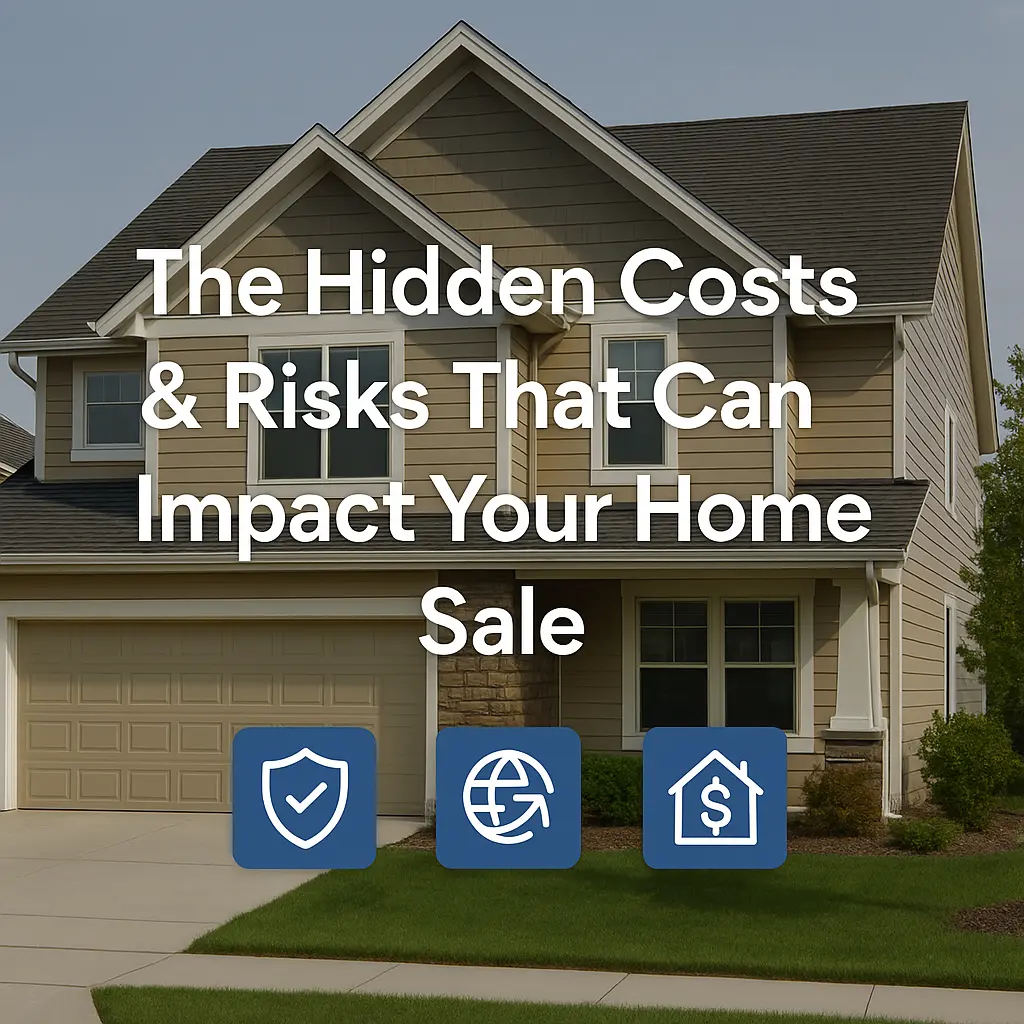
The Hidden Costs & Risks That Can Impact Your Home Sale
When most people think about selling their home, they focus on the big things — the market, the price, the listing photos. But behind every “For Sale” sign are a few sneaky details that can quietly affect how buyers see your home… and how much it’s really worth.
If you’re thinking about selling in 2025, it’s not just about square footage and staging anymore. Buyers today are looking beyond curb appeal. They’re asking deeper questions about insurance, climate risks, property taxes, and even HOA fees — things that can make or break their comfort level with a purchase. And as a seller, knowing where these costs stand (and how they might shift) can make all the difference in how your home performs on the market.

The Reality of Rising Insurance Costs
Across many parts of the U.S., home insurance rates have been climbing — and Utah hasn’t been immune. Severe weather patterns, wildfires, and even increased rebuild costs are reshaping how insurance companies assess risk.
So, what does that mean for you as a seller?
If your home sits in an area labeled as “higher risk,” potential buyers might see a bigger insurance bill than expected. Some might even second-guess their budget when their lender gives them an updated monthly estimate.
The good news? You can get ahead of it. Before listing, talk to your insurance provider or Realtor about what buyers might face. Knowing the average cost or having documentation of recent upgrades — such as a new roof, updated wiring, or flood-prevention measures — can help ease those concerns and keep your home appealing.
Property Taxes: The Quiet Value Shifter
Property taxes are one of those things buyers say they understand but rarely dig into until they’re deep in the process. In 2025, several Utah counties have reassessed property values, which means taxes may look different than last year.
As a seller, if your taxes recently increased, it can slightly impact buyer affordability. But here’s where strategy matters: transparency builds trust. Sharing accurate tax information upfront — especially when your home’s upgrades justify the valuation — helps set realistic expectations and keeps surprises off the table later.

HOAs, Climate Risk & the “Location Premium”
If your home is in an HOA community, buyers will want to know what they’re paying for — and whether it’s worth it. HOA fees can vary widely, from affordable community upkeep to luxury-level amenities that add hundreds of dollars a month. The trick is to position it right.
If your HOA covers things like landscaping, snow removal, or pool maintenance, make sure those benefits are front and center. Buyers want to feel like they’re paying for value, not just rules.
And then there’s climate risk, an emerging factor buyers are starting to research more deeply. Areas near canyons, rivers, or wildfire zones might raise questions, even if nothing has ever happened to your property. Addressing those concerns early — through documentation or simple reassurance about preventive measures — can help maintain confidence in your home’s value.
Selling Smart Means Selling Prepared
The market may shift, but preparation always pays off. Understanding the hidden costs that affect your home’s value — from insurance to taxes to climate perception — puts you in control. It means fewer surprises, smoother negotiations, and a better sense of what your property is really worth in today’s eyes.
If you’re thinking about selling this year and want help understanding where your home stands in today’s market, let’s connect. I’ll help you look beyond the basics — and make sure nothing hidden stands in the way of your home’s best sale.
Categories
Recent Posts








Emma Romney