If you’re a homeowner, here’s the good news first.
Most of the costs associated with owning a home in Utah aren’t surprises forever. They’re patterns. And once you recognize them, homeownership starts to feel far less stressful and a lot more empowering.
This isn’t about pretending ownership is cheap. It’s about understanding where the money goes and how seasoned homeowners soften the impact when life and houses do what they inevitably do.
The mortgage is the anchor, not the whole story.
Your mortgage is usually the most predictable part of owning a home. That consistency is actually a huge advantage.
Because it stays steady, it gives you room to plan around the less predictable pieces. Homeowners who feel the least stressed are usually the ones who mentally separate their fixed costs from their flexible ones and prepare accordingly.
Think of your mortgage as the anchor that lets everything else move without capsizing the boat.
Maintenance feels lighter when it’s expected.
One mindset shift that makes a big difference is treating maintenance as a regular annual rhythm, not an interruption.
Every home needs care. Roofs age. Appliances wear out. Paint fades. The homeowners who feel calm about this aren’t lucky. They’re proactive.
Simple habits help a lot:
-
Keeping a short running list of things to address over the year
-
Tackling minor fixes early before they turn into expensive ones
-
Scheduling seasonal checkups instead of waiting for failure
Maintenance stops feeling like a punch to the gut when it becomes part of the plan.
Utah seasons don’t have to be expensive surprises.
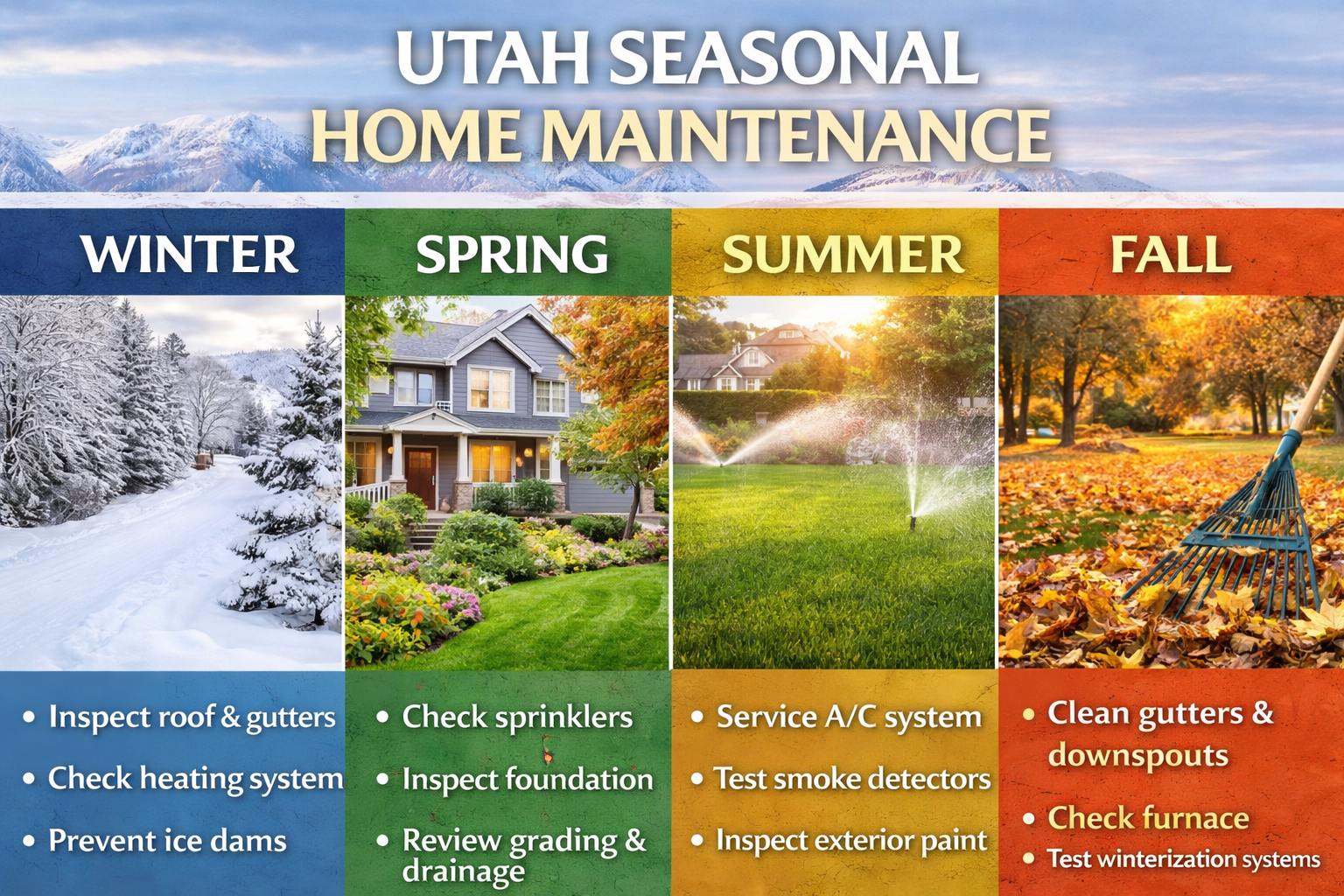
Living in Northern Utah means four distinct seasons, but they are predictable.
Winter asks for attention to roofs, gutters, and heating systems. Summer tests air conditioning and irrigation. Spring and fall are perfect for walk-throughs and minor tune-ups.
Homeowners who do a quick seasonal reset tend to avoid the biggest repair costs later. It’s not about perfection. It’s about awareness.
Utilities can be smoothed out over time.
Utility bills naturally fluctuate, especially here. The trick is reducing the sting when they spike.
Many homeowners cushion this by:
-
Budgeting based on their highest seasonal months, not the lowest
-
Making small efficiency upgrades over time instead of all at once
-
Adjusting habits slightly during extreme weather instead of fighting it
When you expect variability, it stops feeling like something went wrong.
Emergency funds turn stress into inconvenience.
This is one of the biggest emotional game changers in homeownership.
Having even a modest home-specific savings cushion means repairs are manageable rather than overwhelming. You’re no longer scrambling. You’re deciding.
That shift alone changes how people feel about owning versus renting.
Ownership comes with responsibility, but also control.
Yes, owning a home means you’re responsible when something breaks. But it also means you get to decide how and when it gets handled.
You choose the timeline. You choose the solution. You choose the upgrades that matter to you.
That control is part of the long-term value, even when it doesn’t show up on a spreadsheet.
Why most homeowners still wouldn’t trade it:
Despite the upkeep, maintenance, and occasional unexpected repairs, most homeowners I know still say the same thing.
It’s worth it.
Because ownership builds confidence. It builds stability. And over time, it builds options.
If you ever want help thinking through how to plan for future costs, whether it makes sense to stay put, or how to position your home smartly for the next season of life, I’m always here as a resource. Sometimes all it takes is a little perspective to make ownership feel lighter again.