
Can Your Utah Home Beat Builder Incentives?

Yes, your existing Utah home can compete with new construction, even when builders are offering lower interest rates, closing cost assistance, and thousands of dollars in upgrades. But the strategy isn't to match every incentive. It's to show buyers why your home offers better overall value and make the financial side of purchasing it just as compelling.
For homeowners in Davis County, Weber County, and Salt Lake County, that means being realistic about your competition, understanding what buyers are actually comparing, and knowing where to spend your money before listing.
Why Are Utah Home Builders Offering So Many Incentives?
Builders aren't offering incentives just to be generous. They're using them to move inventory, attract buyers, and compete with other available homes.
Depending on the community, buyers may encounter:
-
Mortgage interest rate buydowns
-
Contributions toward closing costs
-
Appliance packages or design upgrades
-
Reduced prices on completed inventory homes
-
Incentives for financing through a preferred lender
Some offers sound almost impossible for an individual seller to compete with. A builder advertising a below-market mortgage rate can certainly catch the attention of a buyer who's concerned about their monthly payment.
But there's an important distinction between the advertised incentive and the actual financial benefit.
A temporary interest rate buydown, for example, isn't the same as securing a lower fixed rate for the entire loan term. Some promotions also require specific loan programs, preferred lenders, or particular homes.
Buyers need to evaluate the entire offer, not just the biggest number on the advertisement.
And that gives resale sellers an opportunity.
What Makes an Established Utah Home More Valuable Than New Construction?
New construction has its advantages. Modern floor plans, brand-new systems, warranties, and the appeal of being the first owner are all legitimate selling points.
But an established home may offer features that would cost a buyer considerable money to recreate.
Finished Landscaping, Fencing, and Outdoor Living
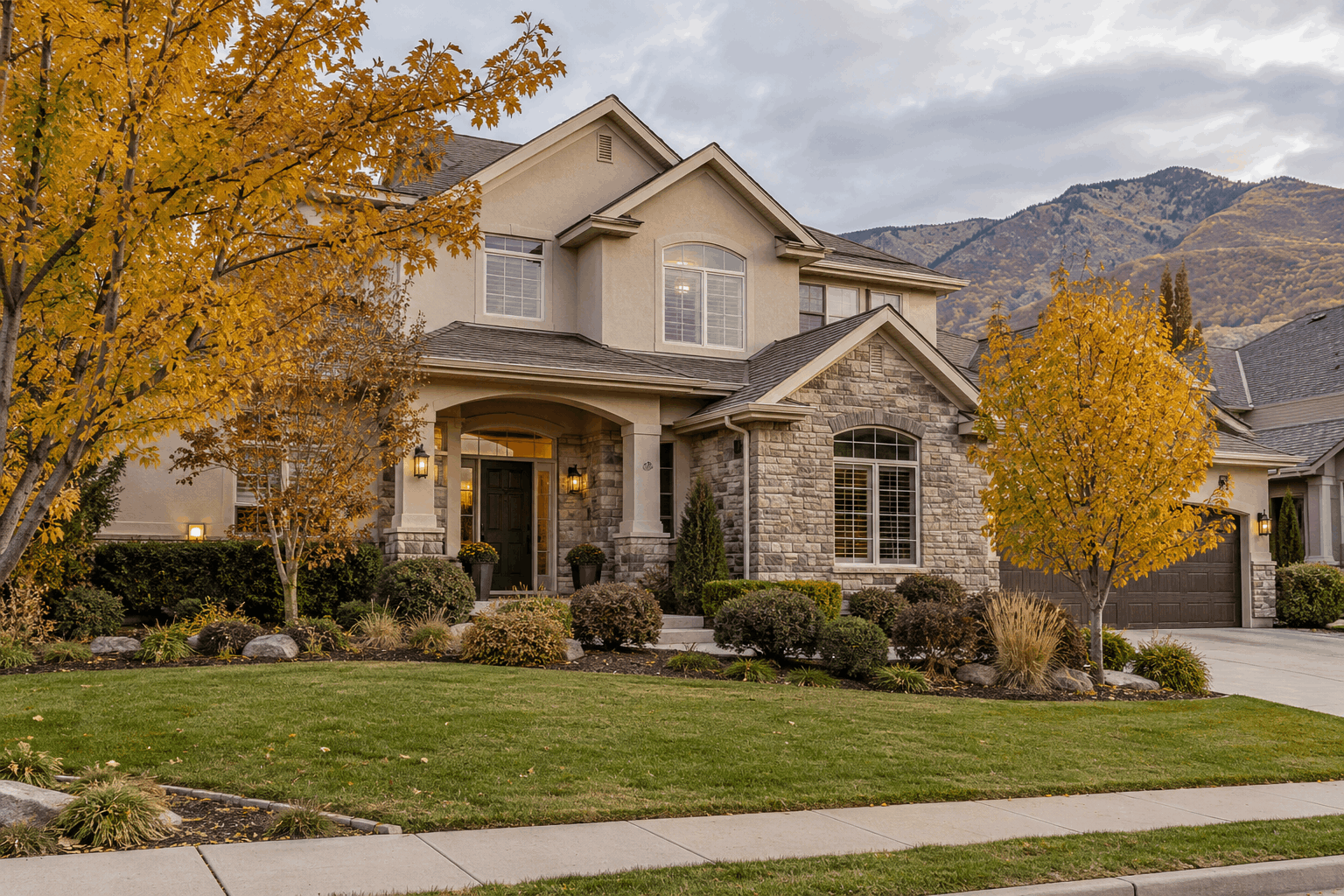
Drive through an established neighborhood in Layton, Kaysville, Bountiful, or Ogden, and you'll often find mature trees, fully fenced yards, established landscaping, and outdoor spaces that have developed over years.
Now compare that with a new construction home where the backyard may still be dirt.
Installing sprinklers, laying sod, building a fence, planting trees, and adding a patio can quickly become a substantial expense.
If your home already has those improvements, buyers need to understand they're purchasing more than the house itself.
Finished Basements and Usable Square Footage
A new construction home advertised at 3,000 square feet might include a large unfinished basement in that number.
An established property with a finished basement could offer more functional living space from day one.
Additional bedrooms, recreation rooms, home offices, and guest spaces can make an enormous difference to buyers comparing properties.
The important comparison isn't simply the total square footage. It's how much of that space buyers can actually use without taking on another project.
Established Neighborhoods and Locations
You can change flooring, cabinets, and paint. You can't pick up a house and move it into a different neighborhood.
In Northern Utah, established properties may offer access to older tree-lined streets, existing neighborhood amenities, convenient commuter routes, or locations closer to schools, parks, and shopping.
That's especially true in parts of Davis County and Salt Lake County, where land for large new subdivisions is more limited.
A buyer might love a builder's financing offer but still prefer the location and lifestyle of an established neighborhood.
How Can Utah Home Sellers Compete With Builder Rate Buydowns?
This is where the selling strategy needs to go beyond beautiful photos and a competitive asking price.
If a buyer is choosing between your resale home and a new construction property, the monthly mortgage payment may be one of their biggest deciding factors.
And while you can't necessarily match a builder's financing package dollar for dollar, you may have options.
Offer Seller Concessions Instead of Immediately Dropping the Price
Seller concessions are contributions negotiated as part of the purchase contract that can help cover eligible buyer expenses.
Depending on the buyer's financing, those funds might be used toward closing costs, prepaid expenses, or an interest rate buydown.
For example, imagine your home is listed at $500,000.
Rather than immediately reducing the price to $490,000, you might consider whether offering $10,000 toward eligible buyer costs would be more attractive.
For some buyers, reducing the money needed at closing or lowering their interest rate could have a greater immediate impact than a modest price reduction.
That doesn't make concessions the right decision in every situation. A lower purchase price may be better for other buyers, and loan programs have different concession limits.
The best approach depends on the financing, the property's appraised value, and the seller's expected proceeds.
Understand Temporary vs. Permanent Rate Buydowns
Not every mortgage rate incentive works the same way.
A temporary buydown reduces the buyer's effective payment during an initial period. Once that period ends, the payment rises to the amount based on the loan's note rate, assuming no other changes.
A permanent rate buydown uses funds, often through discount points, to secure a lower interest rate for the loan term.
These strategies have different costs, qualification requirements, and long-term effects.
The takeaway for sellers is simple: You don't always have to beat a builder's advertised incentive. You need to understand what would make your home financially attractive to the right buyer.
What Should You Fix Before Selling a Home Near New Construction?
If buyers are comparing your home to brand-new properties, visible maintenance and condition issues matter.
They may be willing to purchase a resale home, but they don't necessarily want to inherit a list of projects immediately after closing.
That doesn't mean your home needs a full renovation.
Prioritize Improvements Buyers Will Actually Notice
Before listing, I would evaluate:
-
Paint: Are there scuffed walls, unusually bold colors, or obvious touch-up patches?
-
Flooring: Is the carpet heavily worn, stained, or so dated it distracts from the home?
-
Lighting: Do fixtures make the rooms feel dark or outdated?
-
Exterior: Is the landscaping maintained, the entry clean, and the curb appeal strong?
-
Maintenance: Are there leaking faucets, damaged trim, loose hardware, or other obvious repairs?
-
Cleanliness: Does the property feel genuinely move-in ready?
These improvements won't necessarily increase your home's appraised value dollar for dollar, but they can change how buyers perceive its condition.
And perception matters when the alternative is a brand-new house.
Don't Renovate Just to Look Like a New Build
This is a mistake I would want sellers to avoid.
Spending $40,000 updating a kitchen doesn't automatically mean your home will sell for $40,000 more.
Sometimes fresh paint, updated lighting, professional cleaning, and thoughtful presentation are enough to make an established home feel competitive.
Other times, the home's price needs to account for dated finishes rather than trying to eliminate every objection through renovations.
The goal is to invest where buyers will see meaningful value, not spend money simply because a nearby builder has a newer product.
[Insert link to past blog post about preparing your Utah home for sale here]
How Should You Price a Resale Home Against New Builds in Utah?
Pricing a resale home near new construction requires looking beyond the traditional comparable sales.
If you're selling in a neighborhood where buyers are also touring new homes, those properties are part of your competition, even if they don't make suitable appraisal comparables.
Compare the Actual Cost of Competing New Homes
Before deciding on a list price, I would want to know:
-
What are nearby builders charging for similar completed homes?
-
Which incentives are currently available, and what are the eligibility requirements?
-
Are landscaping, fencing, appliances, and finished basements included?
-
What HOA fees or other community costs apply?
-
What advantages does your property offer that the new construction homes don't?
Consider a hypothetical example.
A builder has a home advertised for $525,000 with a financing incentive. Your established home is listed at $510,000.
At first glance, the builder's offer might look more appealing.
But what if your home includes a finished basement, a fenced backyard, mature landscaping, and no additional projects before move-in?
The buyer now has a different comparison to make.
That doesn't automatically mean the resale home is the better deal. It means the evaluation needs to include the full cost of ownership, not just the purchase price or advertised mortgage payment.
Price for the Market You're Selling In, Not the Market You Bought In
One of the biggest risks for sellers is basing their asking price on what they believe the house should be worth rather than what buyers are currently willing to pay.
Your original purchase price, renovation expenses, and personal attachment don't determine market value.
Recent comparable sales, current competition, property condition, and buyer demand do.
An overpriced resale home won't suddenly become competitive because it has mature trees and a finished basement.
Those advantages need to be reflected in a pricing strategy buyers can recognize.
How Do You Market an Older Utah Home Against a New Build?
Builders typically have model homes, marketing budgets, professional photography, and dedicated sales staff.
That doesn't mean individual homeowners need the same resources. But it does mean your home needs a clear reason for buyers to pay attention.
Sell the Features Buyers Would Have to Pay Extra For
Instead of describing a property as simply having a "beautiful backyard," explain what's already there.
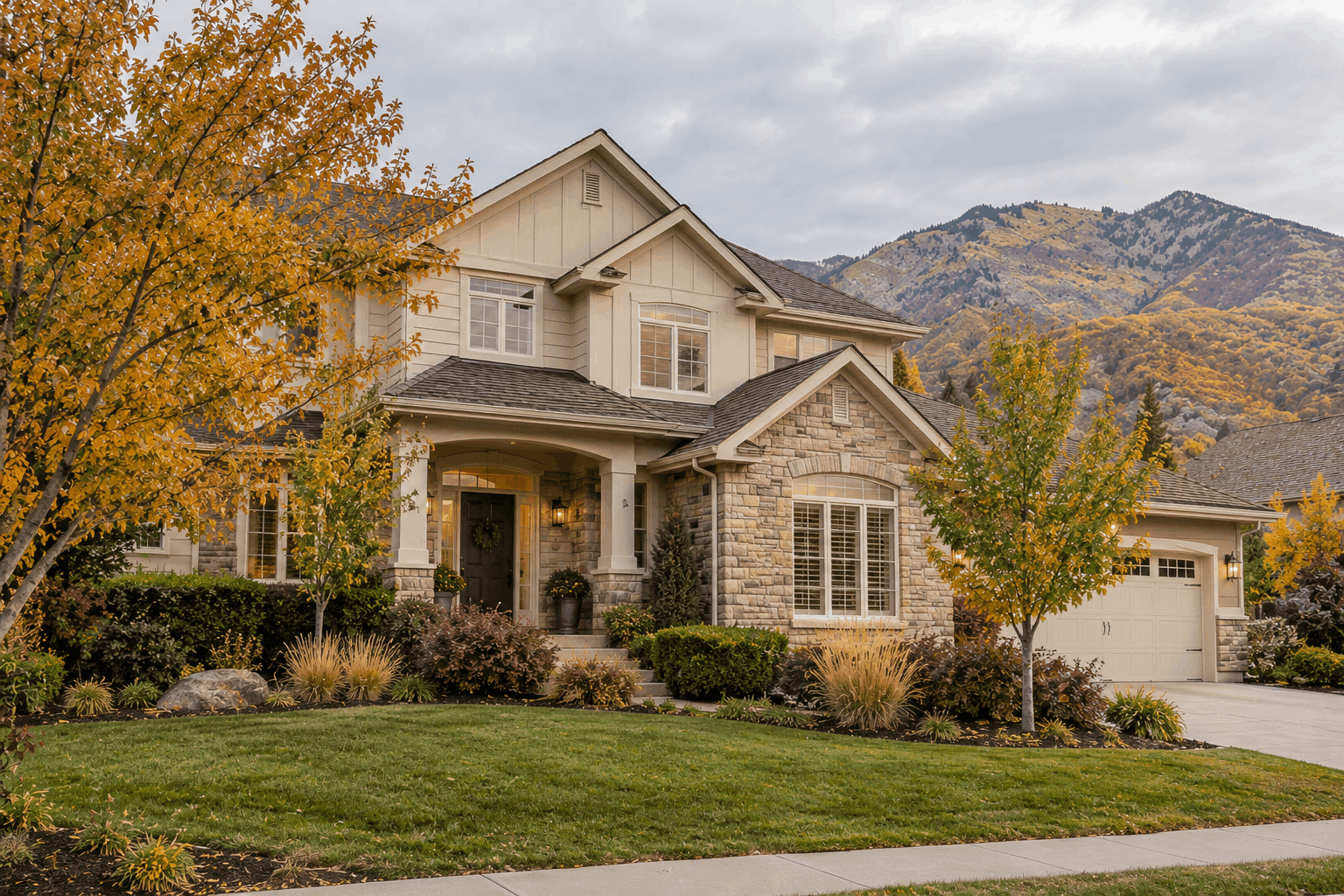
A fully fenced yard, mature shade trees, established garden beds, and a covered patio give buyers a clearer picture of the space they're buying.
If the basement is finished, show how that space can function.
If the home is near Hill Air Force Base, established shopping areas, freeway access, or local parks, make that convenience part of the story.
Buyers should be able to recognize the property's advantages before they schedule a showing.
Professional Photography and Presentation Still Matter
A home competing against polished new construction marketing can't afford dark photos, cluttered rooms, or an unclear floor plan.
Professional photos, well-planned video, accurate property information, and strategic presentation all help buyers understand what they're getting.
This is especially important for established properties with features that aren't immediately obvious from the front exterior.
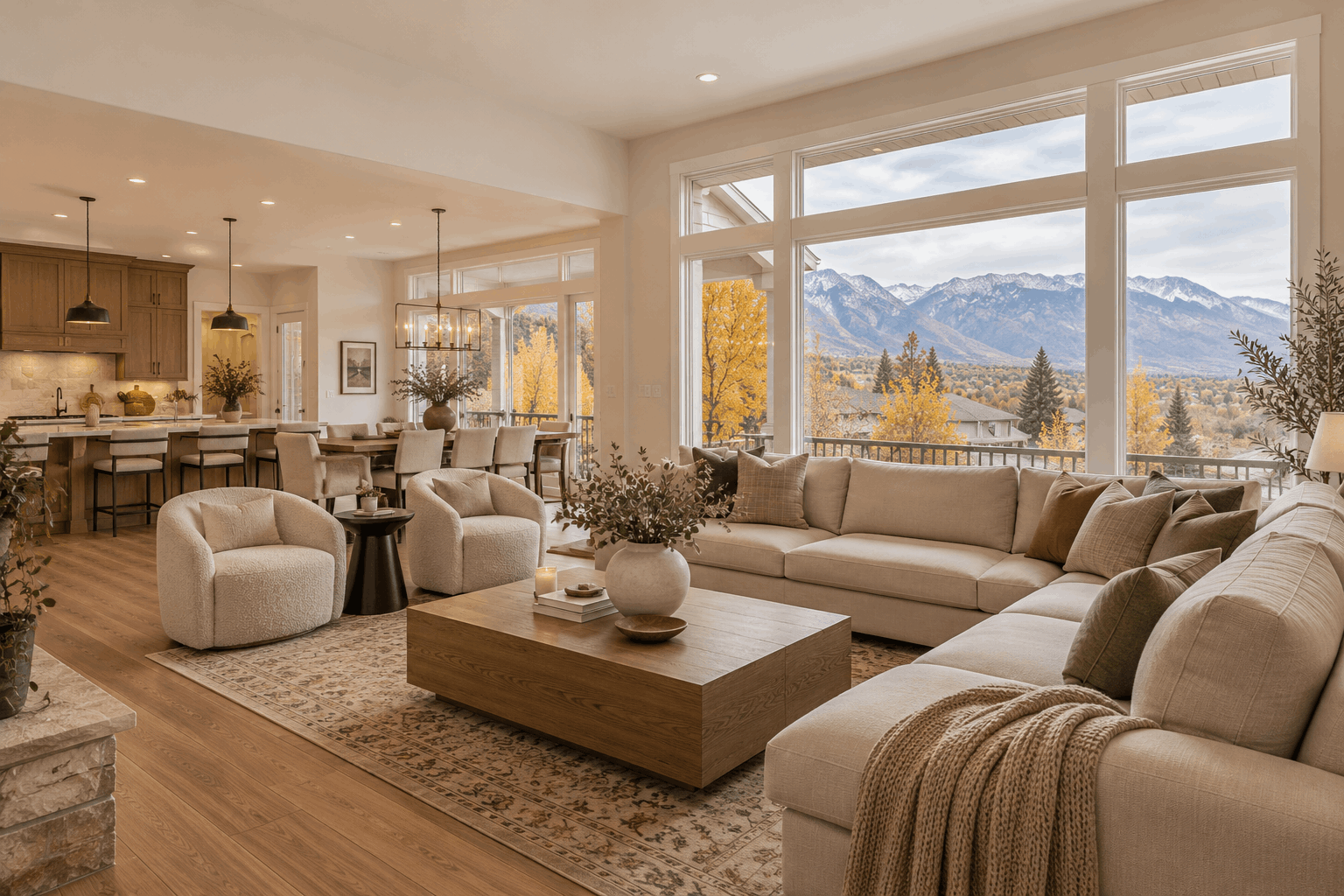
A finished walk-out basement, oversized gathering space, established yard, or mountain view should never be buried halfway through the listing photos.
The property's strongest features need to lead the marketing.
Is It Harder to Sell a Resale Home in Davis, Weber, or Salt Lake County?
Not necessarily. But the competition varies considerably by neighborhood and price range.
A home in an established Bountiful neighborhood isn't facing the same alternatives as a newer property in West Haven.
Sellers in Layton, Syracuse, Clearfield, or Clinton may find themselves competing with nearby subdivisions depending on their home's price and features.
In parts of Salt Lake County, location, lot characteristics, and proximity to established amenities may matter more than nearby new construction.
Even within the same city, one property may face little direct competition from builders, while another competes with several available inventory homes.
That's why I wouldn't recommend a single pricing or incentive strategy for every Northern Utah seller.
The most useful starting point is identifying what a buyer could purchase instead of your property, in the same general price range, at the exact time you're preparing to list.
Should You Offer Incentives When Selling Your Utah Home?
Possibly, but incentives should solve an actual problem.
If your home is priced appropriately, beautifully presented, and attracting strong interest, you may not need to offer concessions upfront.
If buyers consistently love the property but struggle with upfront closing costs or monthly payments, a targeted concession could make sense.
If the home is getting showings but buyers believe it's overpriced, a price adjustment might be the better solution.
And if you're receiving little interest at all, it's worth examining the price, photography, condition, and competing inventory before assuming financing incentives will fix the problem.
The important distinction is that seller concessions are a tool, not a replacement for an effective listing strategy.
Can Your Utah Home Really Beat Builder Incentives?
Absolutely, under the right circumstances.
A new construction home might win on financing, modern finishes, or builder warranties. An established home might win on location, landscaping, usable space, lot size, or the ability to move in without additional improvements.
Neither option is automatically better.
For sellers, the goal isn't to convince every buyer that resale is better than new construction.
It's to identify the buyers who will appreciate what your property offers, price it appropriately, and remove unnecessary obstacles that might keep them from choosing it.
If you're considering selling in Davis County, Weber County, or Salt Lake County, Romney House Real Estate Advisors can help you evaluate the competition before you put your home on the market.
We'll look at what nearby builders are offering, where your home has an advantage, and whether pricing, preparation, or seller concessions make the most sense for your situation.
You don't need to guess what it takes to compete. It's a conversation worth having before you list.
Disclaimer
This blog is provided for general educational and informational purposes only. While Romney House Real Estate Advisors makes reasonable efforts to provide accurate and reliable information, real estate markets, lending programs, interest rates, fees, laws, regulations, and qualification requirements can change, and the information provided is not guaranteed to be complete, current, or applicable to every situation.
Nothing in this blog should be considered legal, tax, financial, lending, or accounting advice. Romney House Real Estate Advisors and its real estate licensees are not acting as mortgage lenders, attorneys, tax professionals, or financial advisors. Any examples are for illustration only and do not represent a promise of financing, approval, savings, property value, or transaction outcome.
Buyers and sellers should independently verify all information and consult the appropriate licensed professionals, including a mortgage lender, attorney, tax advisor, home inspector, appraiser, or other specialist, before making decisions. Loan terms, rates, costs, eligibility, and approval are determined by the individual lender and the buyer’s specific financial circumstances. Official written documents, including the Loan Estimate and Closing Disclosure, should be reviewed carefully.
Romney House Real Estate Advisors is affiliated with Real Broker, LLC.
Categories
Recent Posts









Emma Romney