
How to Prepare Your Utah Home for Sale: Updates Worth Making and What to Skip

Preparing your home for sale does not mean renovating every room or trying to make your house look brand new.
In most cases, the best updates are the ones that help your home feel clean, maintained, bright, and easy for buyers to picture themselves living in. Fresh paint, completed repairs, improved lighting, thoughtful staging, and a clean exterior can make a meaningful difference.
The projects to approach more carefully are expensive, highly personal, or unlikely to return what you spend. A full kitchen remodel might look beautiful, but that does not automatically mean a buyer will pay enough more to cover the cost.
The goal is not to create your dream home right before you leave it. It is to present the home you already have in the strongest possible way.
That distinction matters whether you are preparing to sell in Davis County, Weber County, Salt Lake County, or elsewhere in Northern Utah.

Should You Update Your Home Before Selling It?
Some homes benefit significantly from strategic improvements before going on the market. Others are better positioned with a deep cleaning, a few repairs, and the right pricing strategy.
The answer depends on:
- Your home’s current condition
- How it compares with nearby listings
- Your likely buyer
- Your timeline
- Your available budget
- The price range of the property
- Whether the improvement solves a problem or simply changes the style
For example, replacing heavily stained carpet may help buyers feel more comfortable making an offer. Replacing perfectly functional flooring simply because it is not the newest color may not have the same benefit.
The question is not just, “Will buyers like this?”
The better question is, “Will this improvement change how buyers perceive the home enough to justify the cost?”
Before beginning any major project, it helps to compare your home with recent sales and current competition in your specific area. Buyers looking in Bountiful may have different expectations than buyers comparing newer homes in Syracuse, Layton, or West Haven.
Home Improvements Worth Making Before Selling in Utah
Start With Deferred Maintenance
Before choosing countertops or paint colors, take care of the items that make buyers wonder what else might be wrong.
This could include:
- Leaking faucets
- Loose railings
- Broken light fixtures
- Doors that do not close properly
- Damaged trim
- Missing outlet covers
- Cracked windowpanes
- Nonfunctioning appliances included in the sale
- Visible water damage
- Peeling exterior paint
- Damaged gutters or downspouts
These problems may seem small when you have lived with them for years. To a buyer, however, several unfinished repairs can create the impression that the home has not been maintained.
Small defects can also become more noticeable during the inspection period. UtahRealEstate.com specifically recommends checking items such as gutters, windows, doors, electrical outlets, and covers before listing.
You do not necessarily need to repair every aging component in the house. The priority is addressing active problems, obvious damage, safety concerns, and simple fixes that could distract buyers.
Use Paint Strategically
Fresh paint is one of the most effective ways to make a home feel cleaner and better maintained.
That does not always mean repainting the entire house. Sometimes the better approach is to:
- Touch up scuffed walls
- Repair damaged drywall
- Paint heavily worn rooms
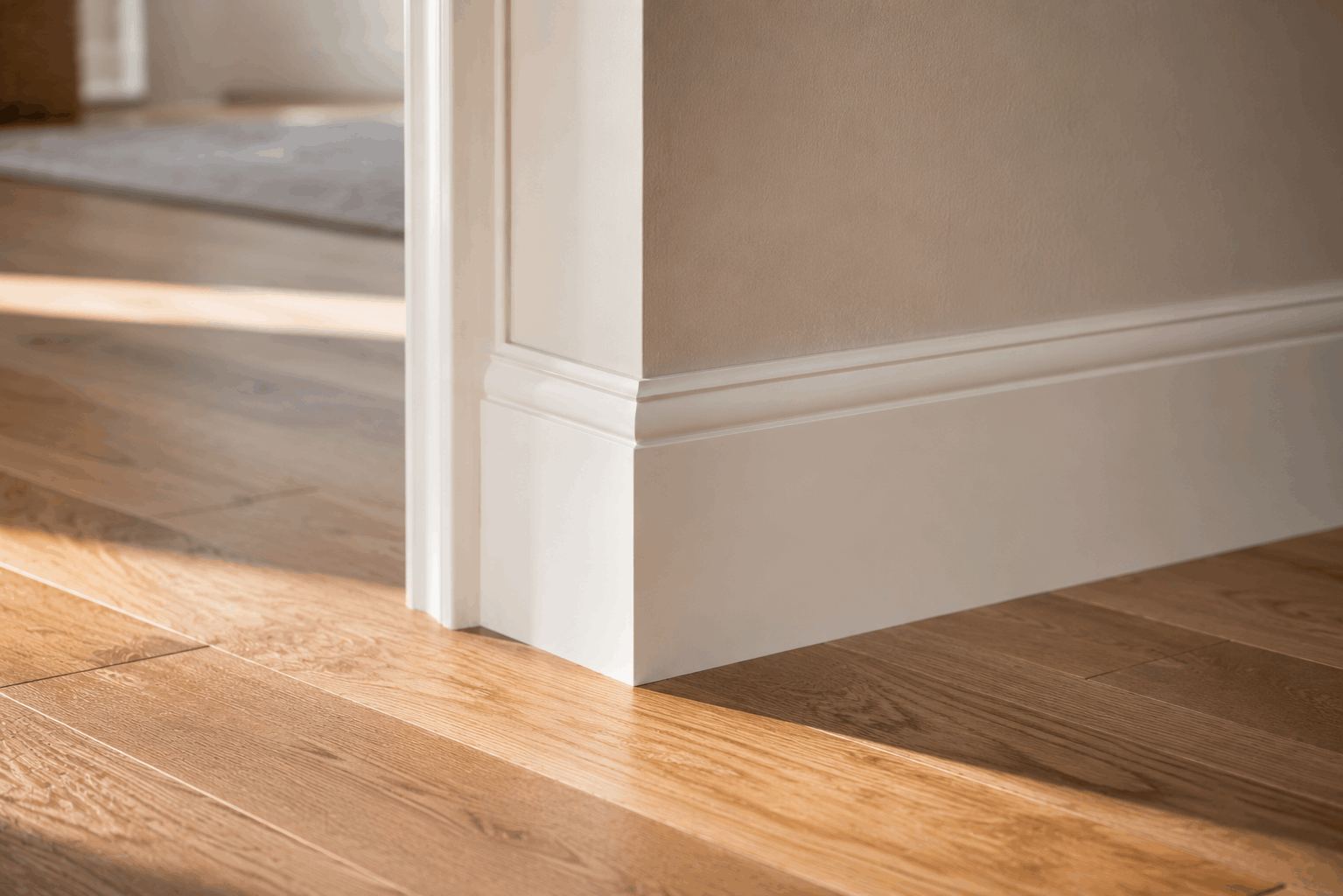
- Refresh baseboards and doors
- Cover unusually dark or highly personalized colors
- Correct areas where prior touch-ups do not match
Neutral does not have to mean stark white or builder gray. Warm whites, soft creams, muted taupes, and light earthy colors often photograph well and work with the natural tones found throughout many Utah homes.
Be careful with partial touch-ups. Paint color can change as it ages, particularly in rooms with strong sunlight. A fresh patch in the middle of an older wall may be more distracting than the original mark.
If the paint cannot be matched closely, repaint the full wall from corner to corner.
Improve Lighting Before Replacing Major Finishes
A dark house can feel smaller and more dated than it really is.
Before assuming the flooring, cabinets, or countertops need to be replaced, improve the lighting.
Replace burned-out bulbs, make the bulb temperatures consistent, clean dusty fixtures, remove heavy window coverings, and trim landscaping that blocks natural light.
You may also benefit from replacing a few visibly dated fixtures, particularly in an entryway, dining area, kitchen, or primary bathroom. Choose simple fixtures that fit the scale and architectural style of the house.
Avoid selecting an elaborate statement fixture that only works with one specific design style. The lighting should quietly improve the room rather than become the room’s main feature.

Deep Clean More Than You Think You Need To
Cleaning is not technically a renovation, but it can affect a buyer’s perception as much as many cosmetic updates.
Before listing, pay particular attention to:
- Baseboards
- Window tracks
- Interior and exterior glass
- Grout
- Shower doors
- Cabinet fronts
- Appliances
- Vent covers
- Ceiling fans
- Light fixtures
- Doors and doorframes
- Garages and unfinished storage areas
Carpet should be professionally cleaned when possible. If odors, permanent stains, or significant wear remain afterward, replacement may be worth considering.
A clean older kitchen will often show better than a newer kitchen that looks neglected.
Cleanliness communicates care. It allows buyers to focus on the floor plan, natural light, storage, and features of the home instead of being distracted by grime or deferred maintenance.
Refresh Flooring When Its Condition Is Distracting
Flooring covers a large visual area, so buyers notice it quickly.
Replacement may make sense when flooring is:
- Heavily stained
- Torn or damaged
- Holding strong odors
- Poorly installed
- Inconsistent in a way that makes the home feel chopped up
- Visibly beyond cleaning or repair
However, replacing all the flooring is not automatically necessary.
Original hardwood may be worth refinishing instead of covering. Tile in good condition may simply need professional grout cleaning. Carpet limited to one or two bedrooms might be replaced without changing the rest of the home.
Try to avoid creating a patchwork of competing materials. Three different wood-look floors within a small area can make even new flooring feel like an unfinished update.
If you are refinishing existing hardwood, make sure the repaired areas blend with the original color and finish. A mismatched refinishing job may draw more attention to the damage than leaving the flooring alone.
Improve Curb Appeal Without Overbuilding the Yard
Utah’s climate can make landscaping a little complicated. Depending on the season, sellers may be dealing with dormant grass, extreme summer heat, snow damage, dry park strips, or irrigation problems.
You do not need a professionally redesigned yard. Focus on making the property look tidy, intentional, and manageable.
That may include:
- Removing dead plants
- Trimming overgrown shrubs
- Pulling weeds
- Adding fresh mulch
- Cleaning the porch
- Repairing damaged fencing
- Testing sprinklers
- Removing debris from window wells
- Sweeping walkways
- Cleaning exterior light fixtures
- Painting or cleaning the front door
During warmer months, a few drought-conscious plants can make the yard feel finished without suggesting that buyers will inherit a high-maintenance landscape. Utah State University notes that well-designed waterwise landscaping can still provide curb appeal while reducing maintenance and water use.
Avoid installing an elaborate landscape design immediately before selling unless the existing yard creates a major problem. Mature plants take time to establish, and a buyer may not value an expensive landscape according to what it cost you.
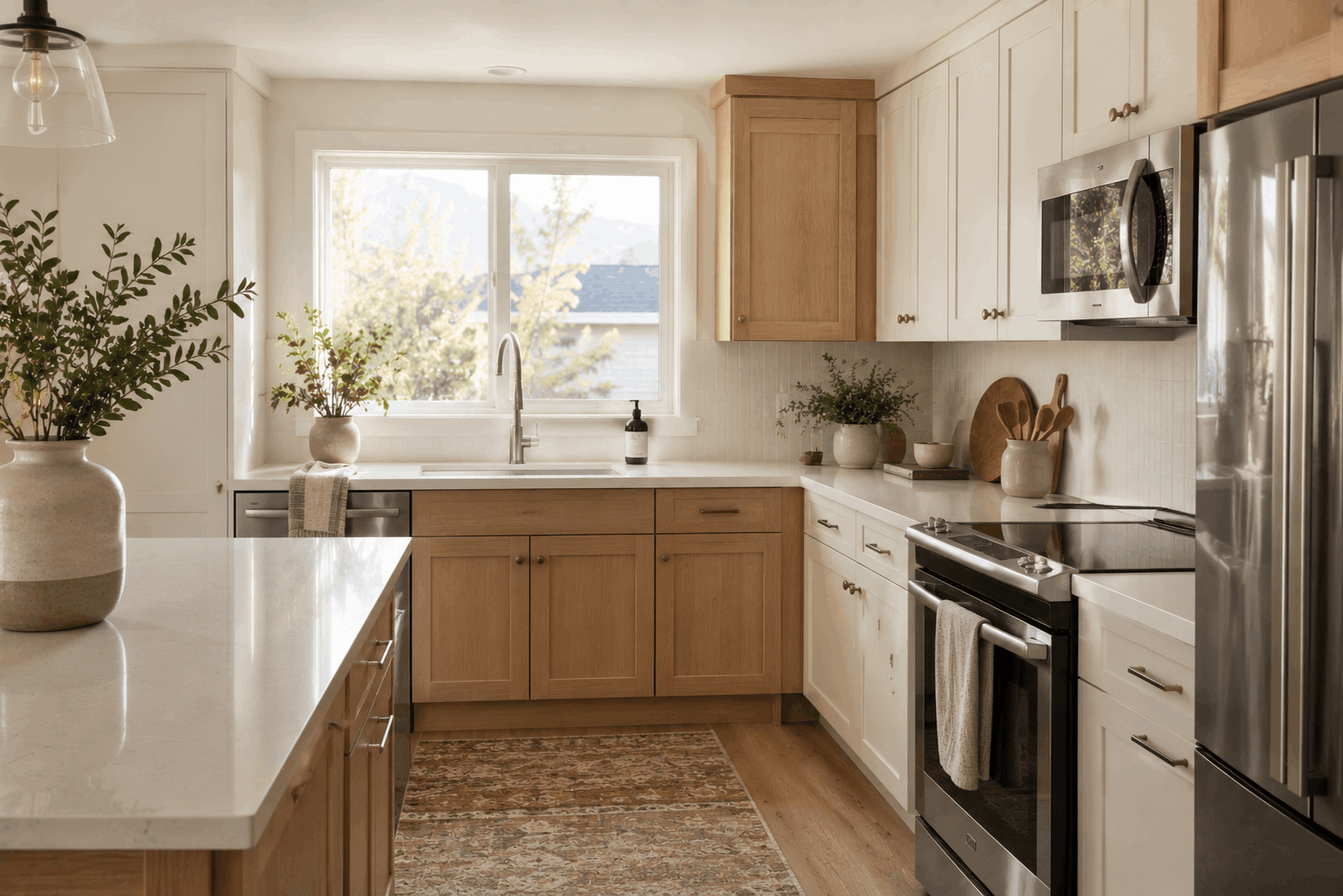
Kitchen Updates Worth Making Before Selling
Kitchens matter to buyers, but that does not mean every seller needs a full kitchen remodel.
Start by asking whether the kitchen feels dated, or whether it feels damaged and neglected. Those are different problems.
A dated but clean and functional kitchen can still sell well. A kitchen with broken cabinet doors, missing hardware, damaged counters, and unfinished projects creates a much larger concern.
Lower-Cost Kitchen Improvements to Consider
Depending on the home, worthwhile updates may include:
- Replacing broken or highly dated cabinet hardware
- Repairing cabinet doors and drawers
- Updating a visibly worn faucet
- Replacing damaged caulk
- Improving under-cabinet or overhead lighting
- Painting walls
- Repairing chipped or burned countertops
- Replacing a broken appliance
- Professionally cleaning cabinets and grout
Painting cabinetry can also make a difference, but it needs to be done correctly. Poorly prepared cabinets with visible brush marks, peeling paint, or painted hinges can hurt the presentation.
If the cabinets are in good condition and fit the style of the home, leaving them alone may be better than completing a rushed DIY transformation.
Bathroom Updates Worth Making Before Selling
Bathrooms tend to show age quickly because of moisture, caulk, grout, lighting, and heavily used fixtures.
The most useful bathroom improvements are often basic:
- Replace stained or peeling caulk
- Repair leaking fixtures
- Clean or refresh grout
- Replace broken toilet seats
- Repair loose towel bars
- Improve lighting
- Replace a heavily corroded faucet
- Address ventilation problems
- Remove signs of active moisture or mildew
You may also consider replacing a worn mirror or vanity light if those elements noticeably date the room.
A complete bathroom remodel may make sense when the room is nonfunctional, significantly damaged, or far below the expectations for your price range. Otherwise, a clean and carefully refreshed bathroom is often enough.
Do not cover signs of moisture without identifying the cause. Fresh paint over a recurring leak is not a repair, and the issue may reappear during the listing or inspection process.
Home Improvements That May Not Be Worth It Before Selling
A Full Kitchen or Bathroom Remodel
Major renovations are expensive, disruptive, and highly dependent on personal taste.
Even remodeling projects with strong buyer appeal do not necessarily return every dollar spent. The National Association of Realtors’ remodeling research distinguishes between how much owners enjoy a project and how much of its cost is likely to be recovered at resale.
A seller can spend heavily on a new kitchen only to choose cabinets, tile, or fixtures that the eventual buyer would not have selected.
There are situations where a remodel is justified. But the decision should be based on the home’s condition, comparable sales, likely list price, and the expectations of buyers in that specific neighborhood—not a general assumption that new is always better.
Highly Personal Design Choices
Bold tile, unusual cabinet colors, specialty rooms, elaborate wallpaper, and unconventional fixtures may be perfect for you.
They may not increase the home’s value for the next owner.
The closer you are to selling, the more cautious you should be about spending money on permanent personal design choices.
This does not mean every house has to become plain. Character can absolutely help a home stand out. The goal is to preserve the details that feel intentional and well executed while reducing the features that limit how buyers can imagine using the space.
Converting or Removing Bedrooms
Be careful about removing a bedroom to create a larger closet, office, gym, or expanded living area.
In some homes, the improved layout may be worthwhile. In others, reducing the bedroom count can affect search visibility, buyer demand, and how the property compares with nearby homes.
This is especially important in family-oriented areas of Davis and Weber counties, where buyers may be specifically filtering their searches by bedroom count.
Before permanently changing the floor plan, consider whether the project will appeal to a broad group of future buyers or only solve a highly personal need.
Finishing a Basement Right Before Selling
Finished basements are appealing throughout Northern Utah, especially when they create additional bedrooms, gathering space, storage, or the potential for multigenerational living.
But finishing an entire basement immediately before listing can be risky.
The cost can increase quickly once you account for permits, electrical work, HVAC, drywall, flooring, bathrooms, egress requirements, and finish carpentry. A rushed basement can also raise questions about quality and whether the work was completed properly.
If the basement is already partially finished, completing a few logical items may help. If it is entirely unfinished, cleaning it thoroughly, improving the lighting, and clearly showing how the space could be used may be the better strategy.
Cheap Updates That Look Like Quick Flips
Buyers can often recognize improvements completed solely to make a property look updated in photos.
This includes:
- Poorly installed vinyl flooring
- Painted-over damage
- Crooked tile
- Peeling cabinet paint
- Low-quality fixtures that do not fit the home
- Inconsistent finishes from room to room
- DIY work with unfinished edges or trim
- Cosmetic coverings that hide larger problems
An older, well-maintained finish is often better than a new finish that looks rushed.
If the budget does not allow you to complete a project properly, clean and repair what is already there instead.
Repairs That Could Affect a Utah Buyer’s Financing
Some property conditions are more than cosmetic.
Depending on the buyer’s loan type, issues involving health, safety, security, or the basic function of the property may need to be addressed before closing.
Potential concerns can include:
- Missing handrails
- Broken windows
- Active roof leaks
- Exposed wiring
- Peeling paint in certain older homes
- Nonfunctioning utilities
- Significant water damage
- Unsafe stairs or decks
- Missing required safety components
Requirements vary by property and loan program, so it is important not to assume that every issue will automatically prevent a sale.
Still, addressing obvious safety and functionality concerns before listing can reduce the chance of delays, appraisal conditions, or stressful negotiations later.
Should You Get a Pre-Listing Inspection?
A pre-listing inspection can be useful when:
- The home is older
- You inherited the property
- You have not lived in the home recently
- You suspect there may be significant issues
- You want more certainty before pricing
- You plan to advertise the home as updated or extensively renovated
It is not necessary for every seller.
An inspection may uncover issues you are then required to disclose, depending on the circumstances. It can also help you decide which repairs to make, which estimates to collect, and which concerns to leave for negotiation.
This is a strategic decision to discuss with your real estate agent before scheduling the inspection.
How Much Should You Spend Preparing Your Home for Sale?
There is no single budget that makes sense for every Utah seller.
One home may need several thousand dollars in paint, carpet, and repairs to compete effectively. Another may need little more than cleaning, decluttering, and professional staging.
Instead of choosing a random renovation budget, work backward from the likely outcome.
For each proposed update, consider:
- What problem does this solve?
- Will buyers notice the difference?
- Does it help the home compete with nearby listings?
- Could the project delay the sale?
- Is the improvement appropriate for the home’s price range?
- Can the work be completed professionally?
- Is there a simpler solution?
A project does not have to return its full cost directly to be worthwhile. Some improvements make a home easier to market, reduce buyer objections, improve photography, or help the property sell more smoothly.
But every improvement should have a reason behind it.
The Best Preparation Plan Is Specific to Your Home
The most common mistake sellers make is copying what someone else did without considering the differences between the homes.
The right preparation plan for a 1970s rambler in Bountiful may be completely different from the plan for a newer townhome in Layton, a historic property in Salt Lake City, or a larger home in North Ogden.
Your home’s architecture, condition, neighborhood, price range, competition, and likely buyer should all influence where you spend your money.
Sometimes the right recommendation is new paint and flooring.
Sometimes it is fixing the roof and leaving the kitchen alone.
And sometimes the best plan is to clean the home, stage it thoughtfully, price it accurately, and sell it in its current condition.
Before starting a long list of projects, it is worth having someone walk through the home and help separate the improvements buyers are likely to value from the ones that may consume your time and equity.
At Romney House Real Estate Advisors, we help Northern Utah homeowners create a preparation plan based on their actual home—not a generic renovation checklist. When you are beginning to think about selling, you are welcome to reach out. Even an early conversation can help you make better decisions about what to update, what to repair, and what to leave alone.
Disclaimer
This blog is provided for general educational and informational purposes only. While Romney House Real Estate Advisors makes reasonable efforts to provide accurate and reliable information, real estate markets, lending programs, interest rates, fees, laws, regulations, and qualification requirements can change, and the information provided is not guaranteed to be complete, current, or applicable to every situation.
Nothing in this blog should be considered legal, tax, financial, lending, or accounting advice. Romney House Real Estate Advisors and its real estate licensees are not acting as mortgage lenders, attorneys, tax professionals, or financial advisors. Any examples are for illustration only and do not represent a promise of financing, approval, savings, property value, or transaction outcome.
Buyers and sellers should independently verify all information and consult the appropriate licensed professionals, including a mortgage lender, attorney, tax advisor, home inspector, appraiser, or other specialist, before making decisions. Loan terms, rates, costs, eligibility, and approval are determined by the individual lender and the buyer’s specific financial circumstances. Official written documents, including the Loan Estimate and Closing Disclosure, should be reviewed carefully.
Romney House Real Estate Advisors is affiliated with Real Broker, LLC.
Categories
Recent Posts










Emma Romney