Utah Home Maintenance Checklist: What to Do When

The easiest way to avoid expensive home repairs in Utah is to handle maintenance before the weather changes. That means servicing your AC in spring, preparing your sprinkler system for freezing temperatures in fall, and checking for moisture problems year-round.
Northern Utah's four seasons can be particularly hard on a house. Between freezing winters, hot summers, spring runoff, and major temperature swings, the same home can face completely different maintenance concerns just a few months apart.
If you own a home in Davis County, Weber County, or Salt Lake County, here's what to check, when to do it, and which tasks shouldn't wait.
Utah Home Maintenance Schedule: What to Do Each Season
You don't need to spend every weekend working on your house. You can handle most preventative maintenance with a few scheduled checkups throughout the year.
Here's a quick overview of the most important tasks.
|
Season |
When |
Top priorities |
|---|---|---|
|
Spring |
March–May |
AC, gutters, drainage, sprinklers |
|
Summer |
June–August |
Cooling, irrigation, exterior damage |
|
Fall |
September–November |
Furnace, sprinkler winterization, roof |
|
Winter |
December–February |
Frozen pipes, snow, moisture, radon |
These are general timelines, not hard deadlines. Homes along Bountiful's East Bench, in higher-elevation neighborhoods, or near the Wasatch foothills may experience freezing conditions earlier than homes farther west in the valley.
The key is to watch actual temperatures rather than waiting for a specific date.
Spring Home Maintenance in Utah: March Through May
Best time to address winter damage and prepare for warmer weather.
Spring is when you'll discover what winter did to your house.
Snowmelt, heavy rain, and fluctuating temperatures can expose drainage problems, damaged roofing, and exterior issues that weren't obvious under several inches of snow.
1. Service Your Air Conditioner Before Summer
Don't wait until the first 95-degree day to find out your AC isn't working.
Schedule an HVAC inspection while temperatures are still mild. Have the technician check the system's performance, refrigerant-related issues when indicated, electrical components, and overall condition.
You can also:
-
Replace or clean your HVAC filter according to the manufacturer's instructions.
-
Clear leaves and debris around the outdoor unit.
-
Check that your thermostat is working properly.
-
Keep landscaping from restricting airflow.
Early servicing gives you time to address problems before cooling becomes a daily necessity.
2. Inspect Gutters, Downspouts, and Foundation Drainage
As snow melts in neighborhoods throughout Layton, Ogden, Bountiful, and Salt Lake City, water needs somewhere to go.
Check that your gutters are clear and downspouts carry water away from the foundation.
Pay particular attention to areas where water pools next to the house, especially around basement windows and window wells.
If you notice water collecting near your foundation, don't assume it will disappear when spring ends. Grading and drainage issues are worth addressing before another storm.
3. Turn On Your Sprinkler System Carefully
After the risk of freezing has passed, slowly reactivate your irrigation system following its manufacturer's instructions.
Check for:
-
Broken sprinkler heads
-
Underground leaks
-
Uneven water pressure
-
Sprinklers spraying siding or windows
-
Zones that aren't activating properly
A cracked irrigation line can waste a surprising amount of water before you notice it.
4. Check Your Roof and Exterior for Winter Damage
You don't need to climb onto your roof to spot potential problems.
From the ground, look for missing shingles, displaced flashing, sagging gutters, or damaged siding.
Inside, look for ceiling stains or damp spots near exterior walls.
If anything looks suspicious, have a qualified professional inspect it rather than risking a fall.
Summer Home Maintenance in Utah: June Through August
Best time to monitor cooling, irrigation, and exterior wear.
Northern Utah summers are hot, dry, and often tough on landscaping.
Summer maintenance is less about preparing for a new season and more about preventing small problems from getting worse.
1. Keep Your AC Running Efficiently
Your cooling system works hard during July and August, especially during extended heat waves along the Wasatch Front.
Continue checking filters, keeping exterior units clear, and paying attention to unusual noises or changes in cooling performance.
If certain rooms are consistently hotter than others, it may be worth having your airflow, ductwork, or insulation evaluated.
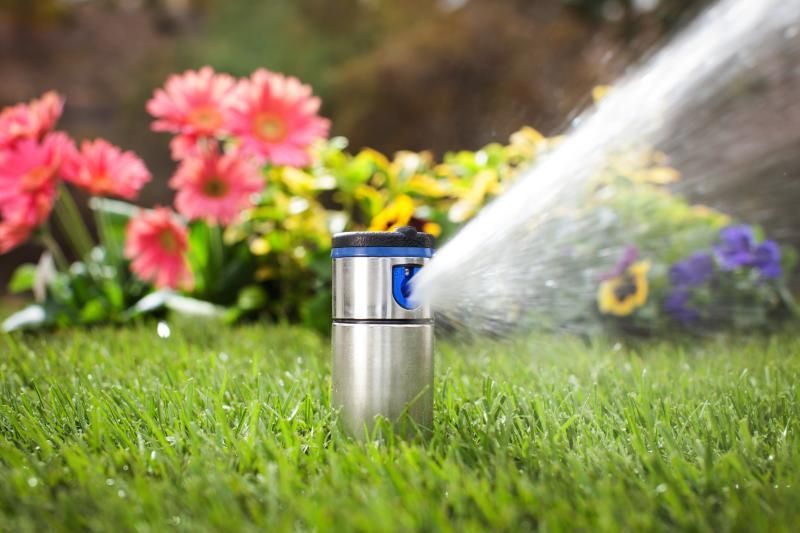
2. Check Irrigation for Leaks and Overspray
Summer is when a poorly adjusted sprinkler system can create problems beyond a higher water bill.
Water repeatedly hitting your siding or foundation can contribute to moisture damage.
Walk your property while the sprinklers are running and look for overspray, pooling, or unusually wet spots.
Adjust watering based on local restrictions, soil conditions, and the weather rather than running the same schedule all summer.
3. Inspect Caulking Around Windows and Doors
Utah's temperature swings can contribute to the deterioration of exterior sealants over time.
Check around windows, doors, and exterior penetrations for cracked or missing caulking.
Repairing appropriate gaps can help keep conditioned air inside and moisture outside. Be careful not to seal intended drainage openings or weep holes.
4. Look for Exterior Paint and Siding Damage
Peeling paint, exposed wood, and damaged siding are easier to repair when they're caught early.
Walk around the home and pay attention to surfaces receiving intense afternoon sun.
If you see deterioration, address the cause before simply painting over it.

Maintenance in Utah: September Through November
Best time to prevent frozen pipes, heating failures, and winter water damage.
If you're only going to be especially diligent about home maintenance once a year, make it fall.
Freezing weather can turn relatively small maintenance issues into expensive repairs. And by the time the first major winter storm hits, scheduling contractors often becomes more difficult.
1. Winterize Your Sprinkler System Before Freezing Temperatures
This is one of the most important maintenance tasks for Northern Utah homeowners.
Water left inside irrigation lines can freeze, expand, and damage pipes, valves, or backflow equipment.
Have your sprinkler system properly winterized before sustained freezing weather arrives.
Many homeowners schedule this during September or October, but the right timing depends on elevation, weather forecasts, and the system itself.
If your system requires compressed-air winterization, use a qualified irrigation professional who understands the appropriate pressure and procedure.
2. Service Your Furnace Before You Need Heat
You don't want to discover your furnace has stopped working on the first cold night.
Schedule a professional heating inspection during early fall.
A technician can inspect the system's operation and safety components, including combustion-related issues where applicable.
Also replace filters as recommended and test your thermostat.
If you have an older furnace, ask about its condition and anticipated maintenance needs rather than assuming age alone means immediate replacement.
3. Disconnect Outdoor Hoses and Protect Faucets
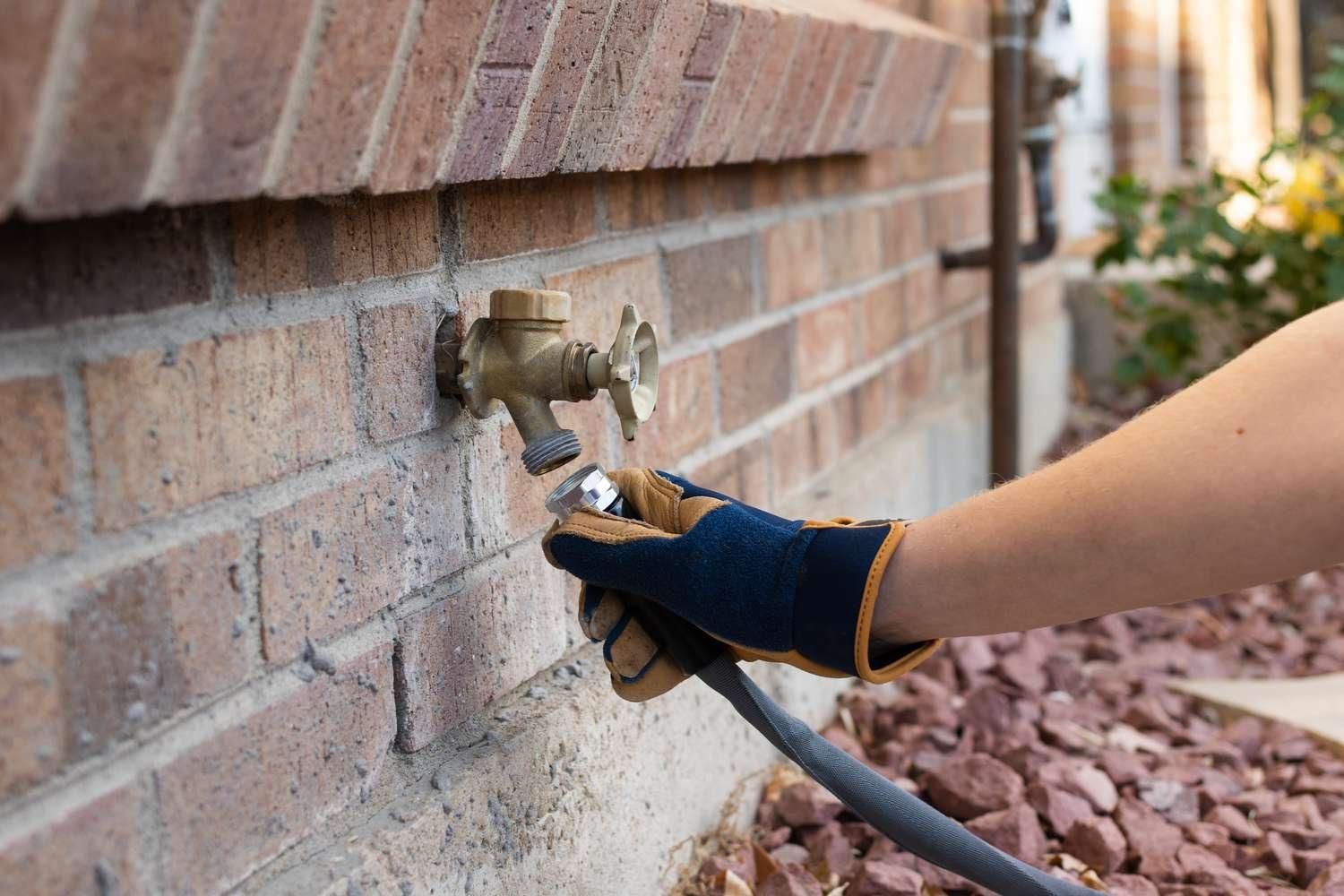
Remove garden hoses before freezing temperatures arrive.
Drain and shut off exterior hose bibs where required by the installation, and use appropriate protection for exposed plumbing.
Even frost-free faucets can freeze if a hose remains attached and traps water.
Don't overlook outdoor fixtures in garages, side yards, or basement walkout areas.
4. Clean Gutters and Inspect the Roof
Fall leaves can clog gutters right before the season when proper drainage matters most.
Clear debris, inspect downspouts, and address visible roof damage before heavy snowfall.
Ice dams can form when snow melts on warmer sections of a roof and refreezes near colder edges. Proper insulation, air sealing, ventilation, and drainage can help reduce the risk.
If your roof has a history of ice dams, have an expert evaluate the underlying cause rather than relying only on snow removal.
5. Seal Drafts and Prepare for Cold Weather
Check weatherstripping around exterior doors and windows.
Inspect exposed pipes in unheated areas and identify any locations that could be vulnerable to freezing.
This is also a good time to locate your main water shutoff valve and make sure household members know where it is.
Winter Home Maintenance in Utah: December Through February
Best time to monitor freezing conditions, moisture, and indoor safety.
Winter maintenance is about paying attention to what your house is telling you.
Cold temperatures can reveal insulation problems, plumbing vulnerabilities, and moisture issues that aren't noticeable during the rest of the year.
1. Protect Your Pipes During Freezing Weather
Frozen pipes are one of those problems you really don't want to deal with.
Pipes in unheated garages, crawl spaces, and poorly insulated exterior walls are especially vulnerable.
During extreme cold:
-
Maintain adequate indoor heat, including when you're away.
-
Keep garage doors closed if water lines run through the garage.
-
Open cabinet doors as needed to let warm air circulate around vulnerable plumbing.
-
Follow local utility recommendations for protecting pipes during severe freezes.
If you suspect a pipe has frozen, don't use an open flame to thaw it. Contact a plumber if you're unable to address it safely.
2. Watch for Ice Dams and Roof Problems
After a significant snowfall, watch where snow and ice accumulate.
Large ice formations near roof edges can indicate drainage or attic-temperature problems.
If water begins appearing on ceilings or near exterior walls, investigate promptly.
Avoid climbing onto an icy roof. Professional snow or ice removal may be necessary, particularly on steep roofs.
3. Check for Condensation and Indoor Moisture
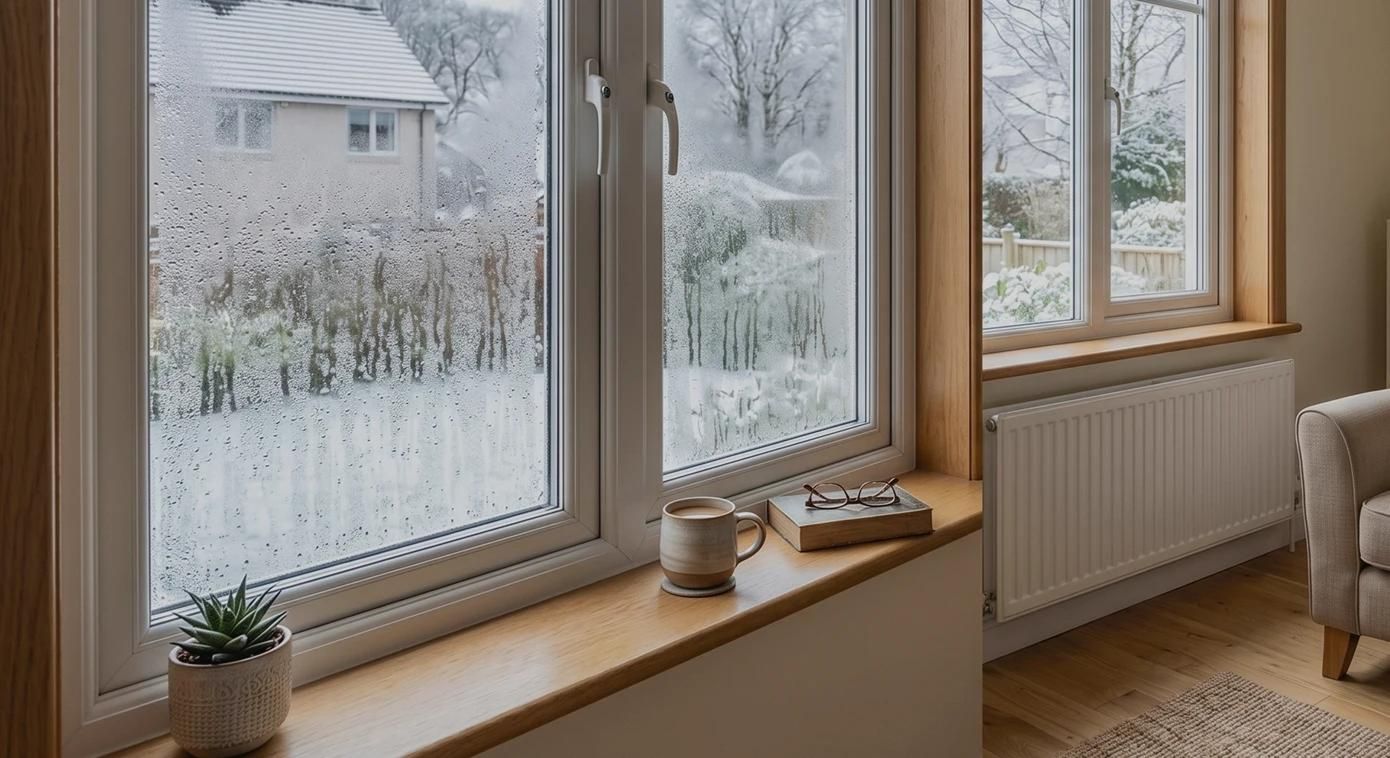
A little window condensation during cold weather isn't unusual, but persistent moisture can indicate a ventilation or humidity problem.
Look for excessive condensation, mildew, damp windowsills, and moisture collecting in basement corners.
Make sure bathroom exhaust fans work properly and vent outdoors.
If moisture keeps returning, identify the source rather than repeatedly cleaning the affected area.
4. Test Your Home for Radon
Winter is a practical time to test for radon because homes are generally closed up.
Radon is an invisible, odorless radioactive gas that can enter through the ground beneath a home.
The Utah Department of Environmental Quality reports that approximately one in three Utah homes has elevated radon levels.
You can order a test through the Utah Department of Environmental Quality.
If a test identifies elevated levels, follow the state's guidance on confirmation testing and mitigation.
5. Keep Snow Away From Critical Areas
After substantial snowfall, clear important walkways and keep snow from blocking exterior vents or exhaust outlets.
Pay attention to basement window wells, furnace exhausts, and drainage paths.
As snow begins to melt, watch for water pooling near your foundation.
Home Maintenance Tasks You Should Do Year-Round
Some maintenance shouldn't wait for a new season.
These smaller checks are easy to overlook, but they're often how you catch a problem before it becomes a major expense.
Monthly Home Maintenance Checklist
-
Test smoke alarms and check carbon monoxide alarms per the instructions.
-
Inspect under sinks and around toilets for leaks.
-
Check HVAC filters and replace them when needed.
-
Look for new water stains on ceilings or walls.
-
Check that exterior vents and drainage openings aren't blocked.
The National Fire Protection Association recommends testing smoke alarms at least once a month.
Every Six to Twelve Months
-
Inspect water heater connections and check for leaks or corrosion.
-
Inspect and clean dryer exhaust ducts as needed.
-
Check accessible plumbing and appliance supply lines.
-
Inspect attic and crawl spaces for moisture or pests, if safe to access.
-
Review the condition of exterior sealants and weatherstripping.
-
Test sump pumps, if equipped, per the manufacturer's instructions.
-
Inspect fireplaces and chimneys, and schedule professional cleaning as appropriate.
If you have a tank-style water heater, follow the manufacturer's flushing and maintenance recommendations. Older units or those without a maintenance history may need a plumber's assessment before flushing.
Every Few Years
Some tasks don't need annual attention, but they shouldn't be forgotten.
Review your home's radon testing history, arrange professional evaluations of aging mechanical systems when warranted, and keep track of roof and exterior maintenance.
Utah's radon program recommends retesting homes with readings below 4 pCi/L every two to five years.

Which Utah Home Maintenance Tasks Should You Prioritize First?
If your budget or time is limited, prioritize anything that could cause significant water damage, create a safety concern, or leave your home without necessary heating or cooling.
Here's how I'd organize it.
|
Priority |
Maintenance task |
Why it matters |
|---|---|---|
|
High |
Active plumbing leaks |
Water damage can spread quickly |
|
High |
Furnace safety concerns |
Heating and carbon monoxide risks |
|
High |
Sprinkler winterization |
Freezing can damage irrigation components |
|
High |
Roof leaks and drainage |
Moisture can damage structural materials |
|
Routine |
HVAC filter changes |
Supports proper system operation |
|
Routine |
Exterior caulking |
Helps prevent drafts and moisture intrusion |
|
Routine |
Landscaping upkeep |
Helps protect drainage and curb appeal |
There's a difference between cosmetic maintenance and protecting the actual condition of your home.
A faded front door can wait. A leaking pipe behind a wall usually can't.

How Regular Maintenance Affects Your Home's Resale Value in Utah
You don't have to be planning a move for resale value to matter.
When buyers tour homes in Davis County, Weber County, and Salt Lake County, they aren't just looking at countertops and flooring. They're also evaluating how well the property appears to have been maintained.
A house with an aging furnace, visible water stains, or neglected exterior repairs can raise questions about what else might need attention.
That uncertainty can affect negotiations, inspection requests, and the overall confidence buyers have in the property.
Keep Records of Repairs and Professional Servicing
You don't need a complicated system. A simple folder with receipts, inspection reports, warranties, and service records can make a difference when it's time to sell.
Track major items like:
-
Furnace and AC servicing
-
Roof repairs or replacement
-
Water heater replacement
-
Plumbing and electrical improvements
-
Irrigation repairs
-
Radon testing and mitigation
-
Drainage or foundation-related work
Maintenance records won't eliminate buyer inspections, but they can help demonstrate how you've cared for the property.
Don't Confuse Maintenance With Renovation
A well-maintained home doesn't necessarily need a full remodel.
Sometimes repairing damaged materials, addressing deferred maintenance, and making a few strategic cosmetic improvements are more beneficial than taking on a major renovation.
If you're wondering where to put your money before selling, I've covered that separately.
The Bottom Line: Stay Ahead of Utah's Seasons
The best home maintenance schedule is one you'll actually follow.
Put four reminders on your calendar each year: one for spring, summer, fall, and winter. Use them to walk through your property, schedule necessary services, and address the issues you've been putting off.
You don't need a perfectly updated home. You need one that's consistently cared for.
If you're unsure whether a repair is worth making, what it could mean for your home's value, or how to prioritize improvements before selling, we can help you work through it.
At Romney House Real Estate Advisors, we help Northern Utah homeowners make informed decisions about their properties, whether they're planning to sell soon or want to better care for what they already own.
We're always happy to be a resource.
Disclaimer
This blog is provided for general educational and informational purposes only. While Romney House Real Estate Advisors makes reasonable efforts to provide accurate and reliable information, real estate markets, lending programs, interest rates, fees, laws, regulations, and qualification requirements can change, and the information provided is not guaranteed to be complete, current, or applicable to every situation.
Nothing in this blog should be considered legal, tax, financial, lending, or accounting advice. Romney House Real Estate Advisors and its real estate licensees are not acting as mortgage lenders, attorneys, tax professionals, or financial advisors. Any examples are for illustration only and do not represent a promise of financing, approval, savings, property value, or transaction outcome.
Buyers and sellers should independently verify all information and consult the appropriate licensed professionals, including a mortgage lender, attorney, tax advisor, home inspector, appraiser, or other specialist, before making decisions. Loan terms, rates, costs, eligibility, and approval are determined by the individual lender and the buyer’s specific financial circumstances. Official written documents, including the Loan Estimate and Closing Disclosure, should be reviewed carefully.
Romney House Real Estate Advisors is affiliated with Real Broker, LLC.
Categories
Recent Posts










Emma Romney